How to Choose a Crypto Market Making Program: A Practical Guide for Token Projects
- Koeksal Chaker
- May 8
- 3 min read

If you're launching a token or preparing for exchange listing, you’ll quickly face a practical issue:
A market can exist — but still be hard to trade.
Many projects encounter problems like:
Thin order books
Wide bid-ask spreads
Inconsistent trade execution
At that point, the real question isn’t “how to get more users,” but:
How to ensure consistent liquidity
That’s exactly what a crypto market making program is designed to solve.
When Do You Actually Need Market Making?
A simple rule:
If users cannot trade consistently, you need market making.
Typical signs include:
Large gaps between buy and sell orders
Prices moving too easily on small trades
Irregular execution flow
The underlying reason is straightforward:
Liquidity does not sustain itself.
Without continuous two-sided quotes, markets become:
Difficult to trade, unstable, and unattractive to participants.
What Is a Market Making Program, Really?
A common misconception is:
Market making is about predicting or influencing price direction
In reality:
Market making is about maintaining tradability
The mechanism is simple:
Continuously place buy and sell orders
Adjust quotes dynamically as prices move
The goal is not speculation, but:
Ensuring the market remains active and accessible
Why Do Exchanges Offer Structured Programs?
Major exchanges like Gate provide formal market making programs for a reason:
Organic liquidity is unpredictable.
During active periods → liquidity is strong
During volatility or uncertainty → liquidity can disappear quickly
To address this, exchanges create structured frameworks:
A collaboration between the venue and liquidity providers
These programs typically align:
Technical support from the exchange
Continuous quoting from liquidity providers
The Real Differentiator: Infrastructure, Not Just Strategy
In practice, the quality of market making depends less on “strategy” and more on:
Execution consistency
One key concept is:
Crypto Colocation (Low-Latency Infrastructure)
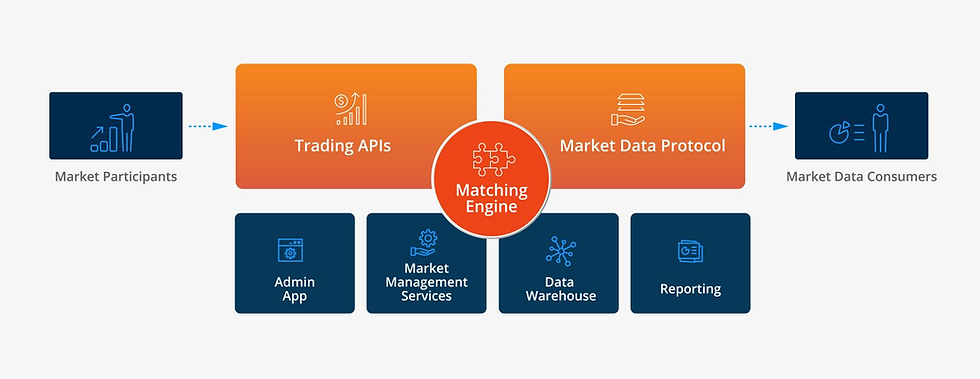


This refers to deploying trading systems physically closer to exchange servers.
Why it matters:
Markets move in milliseconds
Delays introduce execution risk
With better infrastructure:
Orders update more reliably
Execution becomes more predictable
Risk exposure is easier to manage
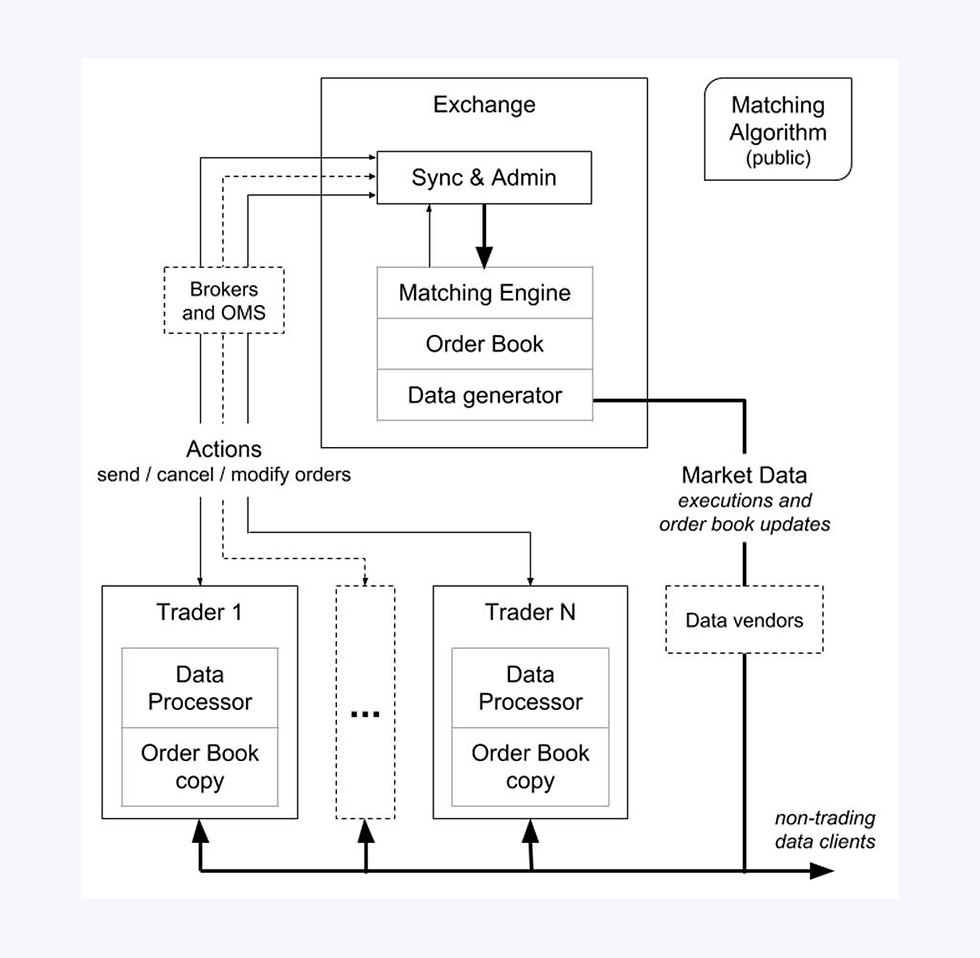
For market making, predictability matters more than raw speed
How to Evaluate a Market Making Setup
Instead of focusing on marketing claims, evaluate these three factors:
Market Microstructure Behavior
1. Is matching behavior stable?
Are order priorities consistent?
Are there unexpected changes in execution order?
2. Is execution balanced?
Do buy and sell orders fill in a relatively balanced way over time?
This directly affects inventory risk
3. Does the system hold under stress?
Can orders be updated reliably during rapid price movements?
This determines whether strategies remain viable
Choosing the Right Approach: Service vs Tooling
There are two main approaches today:
1. Service-based (outsourced market making)
Fully managed by external firms
Less direct control for the project
2. Tool-based (self-managed with infrastructure)
Projects manage liquidity using specialized systems
Greater transparency and flexibility
Platforms like CiaoAI represent this second approach.
They essentially:
Productize market making capabilities
Typical features include:
Automated quote management
Multi-account and capital coordination
Real-time monitoring
Parameter-based strategy adjustments
This shifts the model from “outsourcing” to controlled liquidity management
When Does a Tool-Based Approach Make More Sense?
This model is often better suited if you:
Want long-term control over market quality
Prefer transparency in execution
Need flexibility across different growth stages
Compared to fully outsourced solutions, it offers:
More predictable cost structures
Adjustable strategies over time
Alignment with broader operational planning
Why Multi-Platform Participation Is Common
Relying on a single venue introduces concentration risk.
Different exchanges behave differently in terms of:
Order book structure
User flow
Volatility response
As a result, many projects adopt:
A multi-platform liquidity strategy
Benefits include:
Reduced dependency on one market
Improved overall stability
More consistent trading conditions
The Key Insight: What Market Making Really Solves
Many projects initially focus on:
“How will the price perform?”
But the more important question is:
“Is the market sustainable and functional?”
Because in the long run:
Users care about execution quality
Exchanges care about market stability
Capital cares about liquidity reliability
The true role of market making is:
To support a stable and continuously tradable market
Final Takeaway
A crypto market making program is fundamentally a liquidity and infrastructure solution
When evaluating options, prioritize:
Execution stability
Predictable behavior
Risk control mechanisms
—not short-term metrics or surface-level incentives.
If your goal is to:
Maintain control over liquidity
Optimize operational flexibility
Build a sustainable market structure
then tool-based solutions like CiaoAI can offer a more adaptable and transparent path forward.
Disclaimer
This content is provided for informational and reference purposes only and does not constitute any commercial, investment, financial, legal, or tax advice. Some materials may be sourced or reproduced from third parties. CiaoAI makes no representations or warranties regarding the timeliness, accuracy, or completeness of such content and shall not be liable for any actions or decisions taken based on it.
If you believe that any content infringes upon the rights of a third party, please contact service: anson@ciaoaibot.com. We will review and take appropriate action promptly.
Comments